

Destination guide
Spain
Where lunch lasts three hours and the nights start at midnight
Plan My Spain TripBarcelona
Gaudí is the hook — Sagrada Família, Park Güell, Casa Batlló — but Barcelona is more than mosaic tiles. The Gothic Quarter before 9 AM when the alleys are empty. El Born for tapas bars that don't open until 8 PM. Barceloneta for the beach and the seafood paella that locals actually eat. Gràcia for the neighbourhood feel that tourists haven't found yet. Give Barcelona three days minimum. Book Gaudí sites weeks ahead — I handle the timing so you're not in line for two hours.

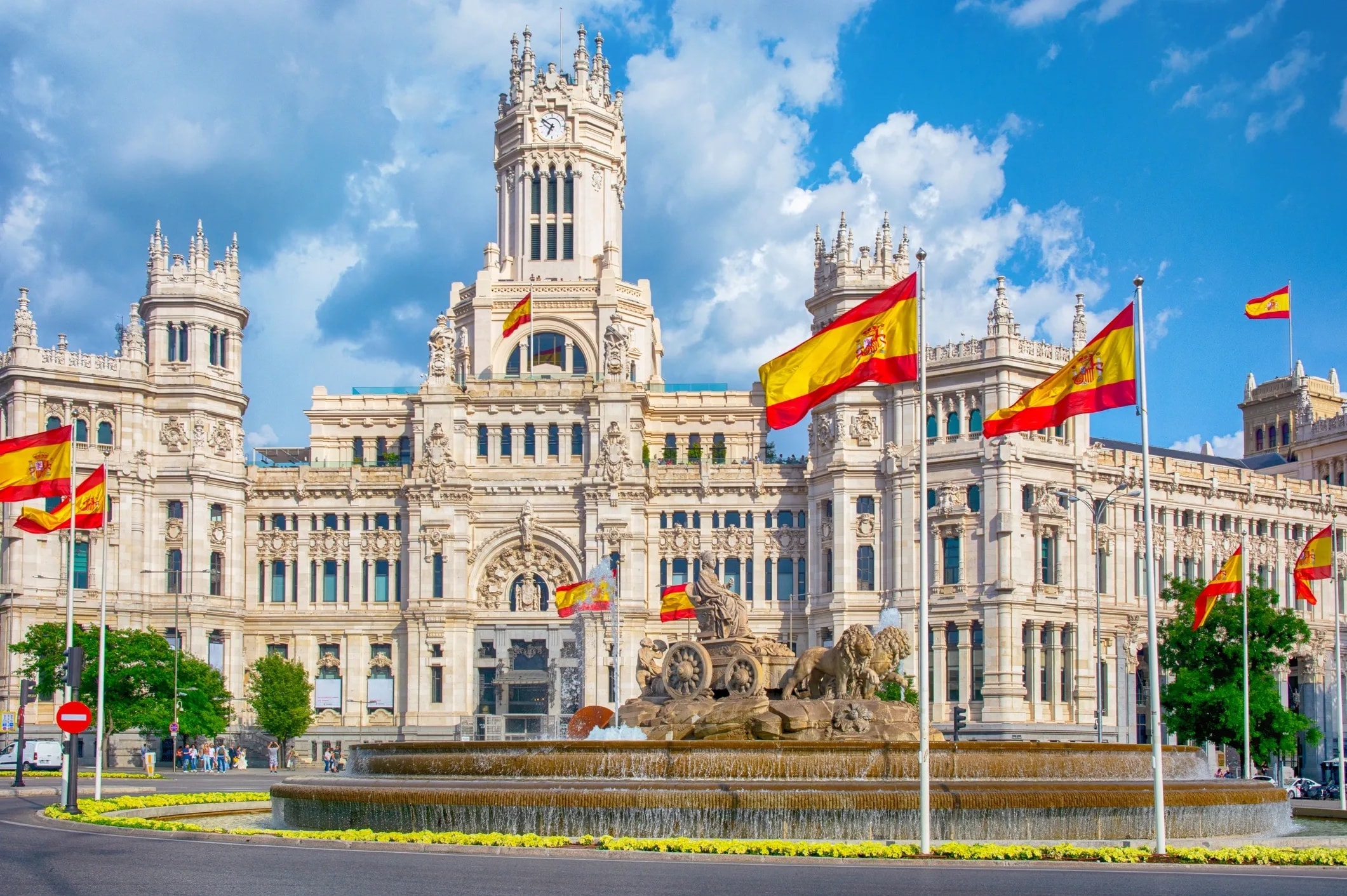
Madrid
The Prado is world-class, the Reina Sofía has Guernica, and the Retiro Park is where Madrileños live their best lives on Sunday. But Madrid is really about the movement — tapas hopping from bar to bar, never eating in the same place twice, standing at the counter with a caña and a tortilla. La Latina on Sunday for the flea market and vermouth. Chueca for the energy and the best croquetas in the city. Madrid doesn't have Barcelona's postcard moments. It has better nights.

Andalucía (Seville, Granada, Córdoba)
This is the Spain you picture — flamenco, Moorish palaces, white villages, orange trees. Seville for the Alcázar and the Triana neighbourhood across the river where the flamenco is real and the tourists are scarce. Granada for the Alhambra at sunset — book months ahead, or go at night for a completely different experience. Córdoba for the Mezquita, the patios festival in May, and a city that feels like a secret. Andalucía is hot, passionate, and slower than the north. Plan fewer things, allow more time.
San Sebastián & the Basque Country
The best food in Europe, full stop. San Sebastián has more Michelin stars per capita than anywhere else, but the real magic is the pintxos — Basque tapas, displayed on counters, eaten standing, one bar to the next. La Concha beach for the morning swim, Parte Vieja for the evening crawl. Beyond the city: Getaria for grilled fish, Hondarribia for the fishing port, the Rioja wine region an hour away. The Basque Country is green, rainy, and completely different from the Spain you think you know.


The Islands (Mallorca, Menorca)
Mallorca has the mountains, the coves, the cycling routes, the Deià village where artists and writers hide. Menorca is quieter, calmer, more family-friendly, with beaches that look Caribbean and a pace that forces you to stop. Both are underrated by Americans, oversold to Brits, and perfect if you know where to go. Skip Magaluf. Find Sóller, Valldemossa, the Cala Varques coves. The islands are the Spain trip you didn't know you needed.
Planning your trip
Frequently Asked Questions

Let's make it happen
Ready to plan your Spain trip?
Tell us how you want to travel and we'll build the itinerary around you.
Plan My Spain Trip