

Destination guide
Morocco
Where the colours are louder, the medinas are mazes, and the mint tea never stops coming
Plan My Morocco TripMarrakech
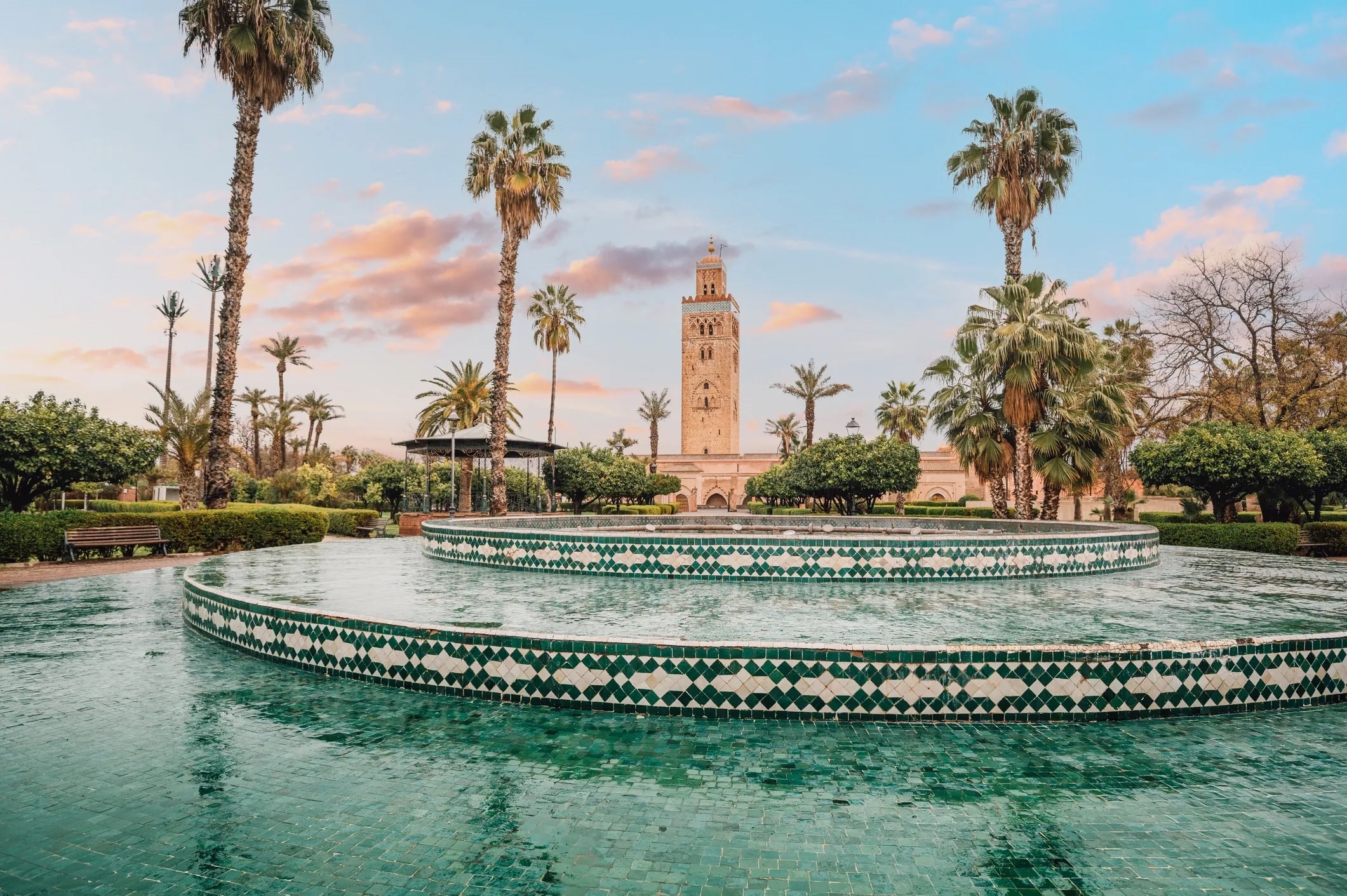
The Djemaa el-Fna square at sunset is chaos — snake charmers, storytellers, food stalls firing up for the night. But the real Marrakech is in the riads behind the walls. Stay in the medina, not a hotel outside. Wake up to breakfast on a rooftop terrace, walk the souks before the heat hits, get lost in the alleys and let a shopkeeper pull you in for tea. The Majorelle Garden is beautiful and crowded — go at opening. The Bahia Palace is quieter and more impressive. Marrakech is overwhelming in the best way. I tell my clients exactly how to handle it.
Fes
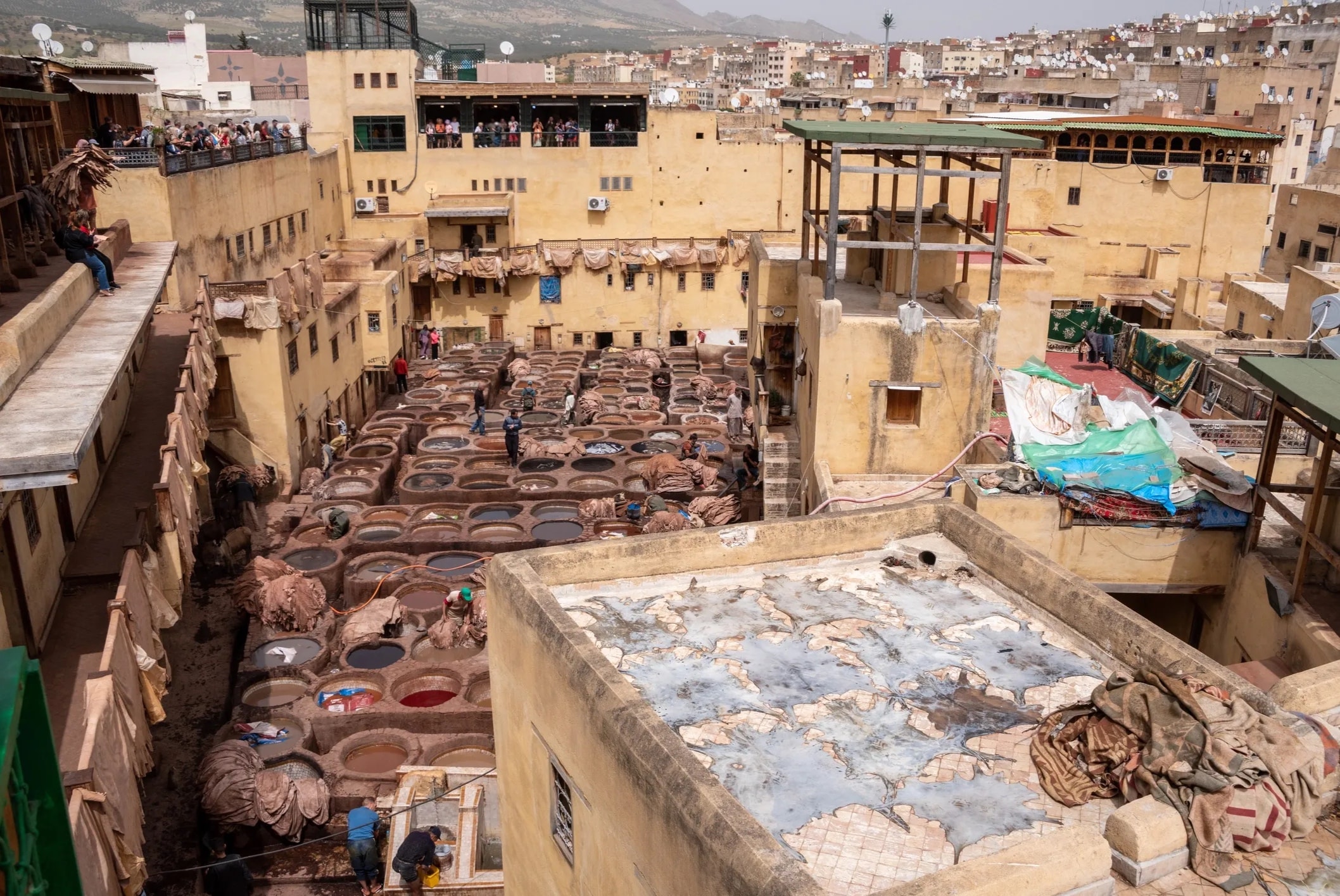
The world's largest car-free urban area and the most intact medieval city on earth. The tanneries are the postcard, but the real Fes is the 9,000 alleys of the medina where donkeys still carry goods and craftsmen work the same way they have for centuries. Chouara Tannery at 10 AM before the smell gets intense. The Al-Attarine Madrasa for the tilework. A cooking class where you learn to make pastilla — sweet, savoury, layered, unlike anything you've tasted. Fes is harder than Marrakech. It's also more rewarding.
The
Sahara
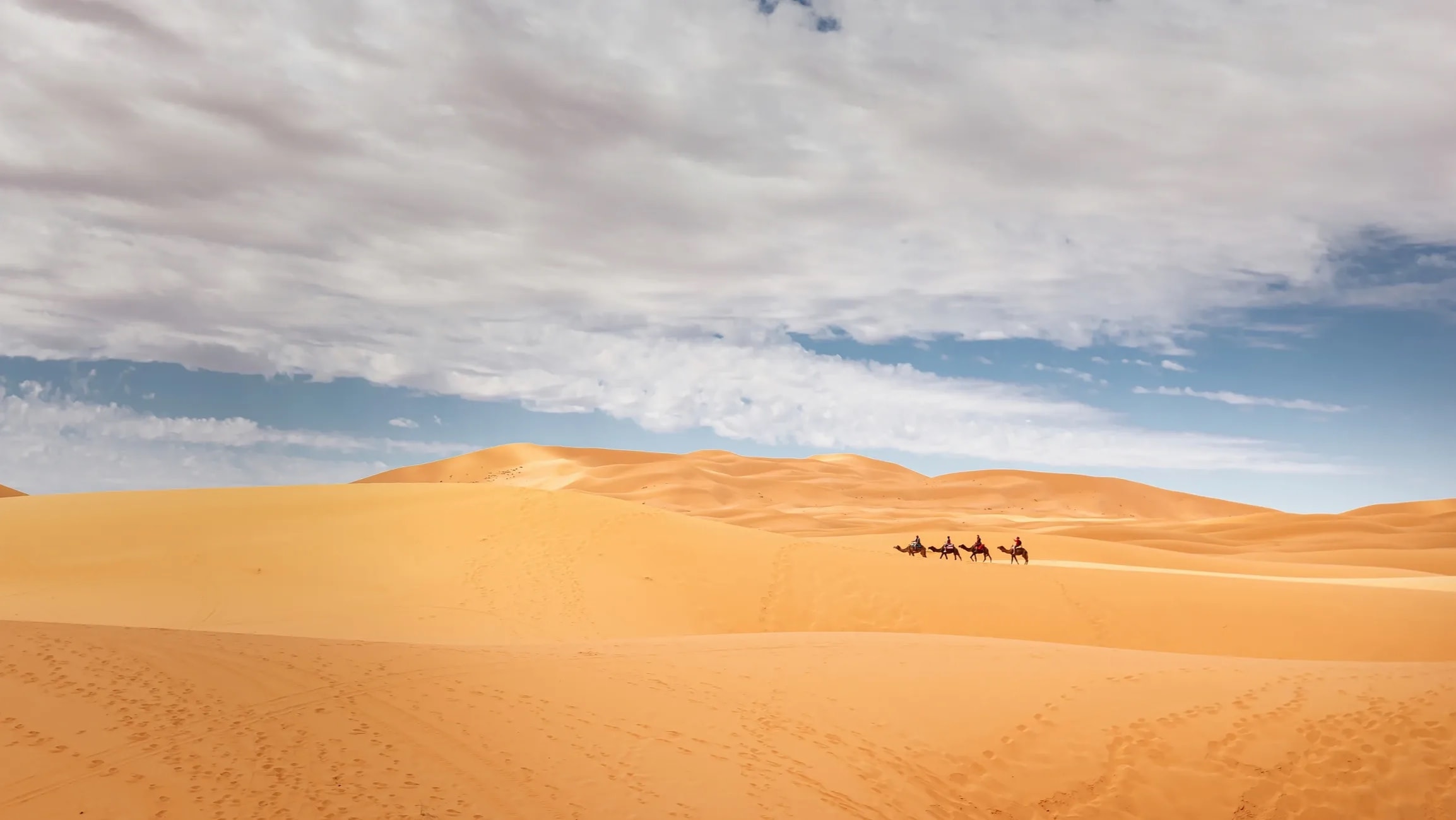
Not a day trip. You need two nights — one to get there, one to actually experience it. The drive from Marrakech is long but stunning — over the Atlas Mountains, through Berber villages, past kasbahs that look like sandcastles. The camel ride at sunset is touristy and still magical. Sleeping in a desert camp, no light pollution, silence so complete it feels like a presence. I book smaller camps, not the 50-tent tourist villages. The difference is dinner cooked over fire, stars you can reach for, and waking up to dunes that change colour with the sun.
Chefchaouen
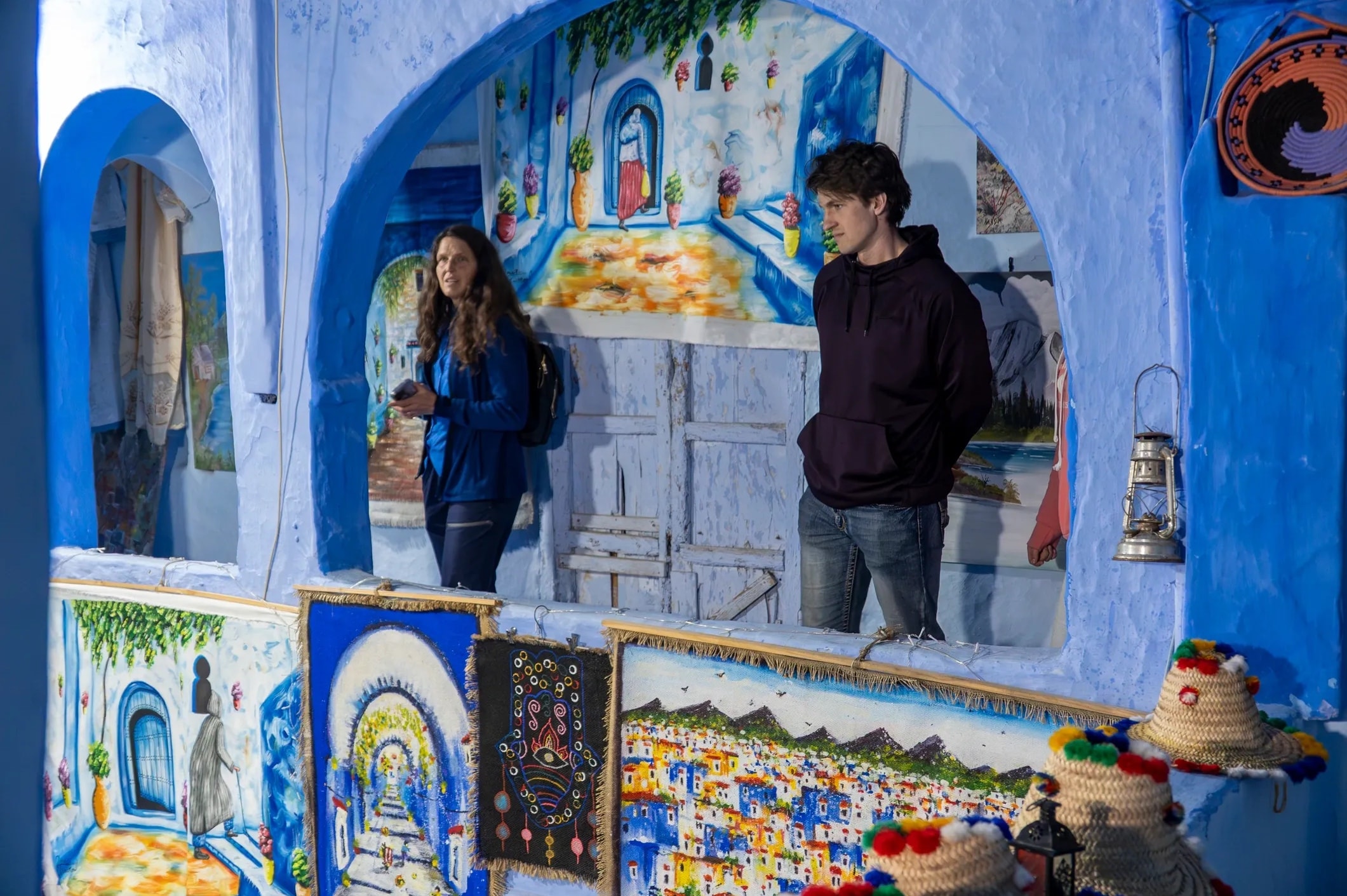
The blue city in the Rif Mountains. Yes, it's Instagram-famous. Yes, it's still worth it. The blue walls started as a Jewish tradition, continued because the city liked it, and now it's a living artwork. Walk to the Spanish Mosque for the view, get lost in the blue alleys where cats sleep in doorways, eat at a rooftop restaurant with the mountains behind you. It's smaller, calmer, and cooler than the desert cities. I usually put it between Fes and Tangier, a breather in a busy itinerary.
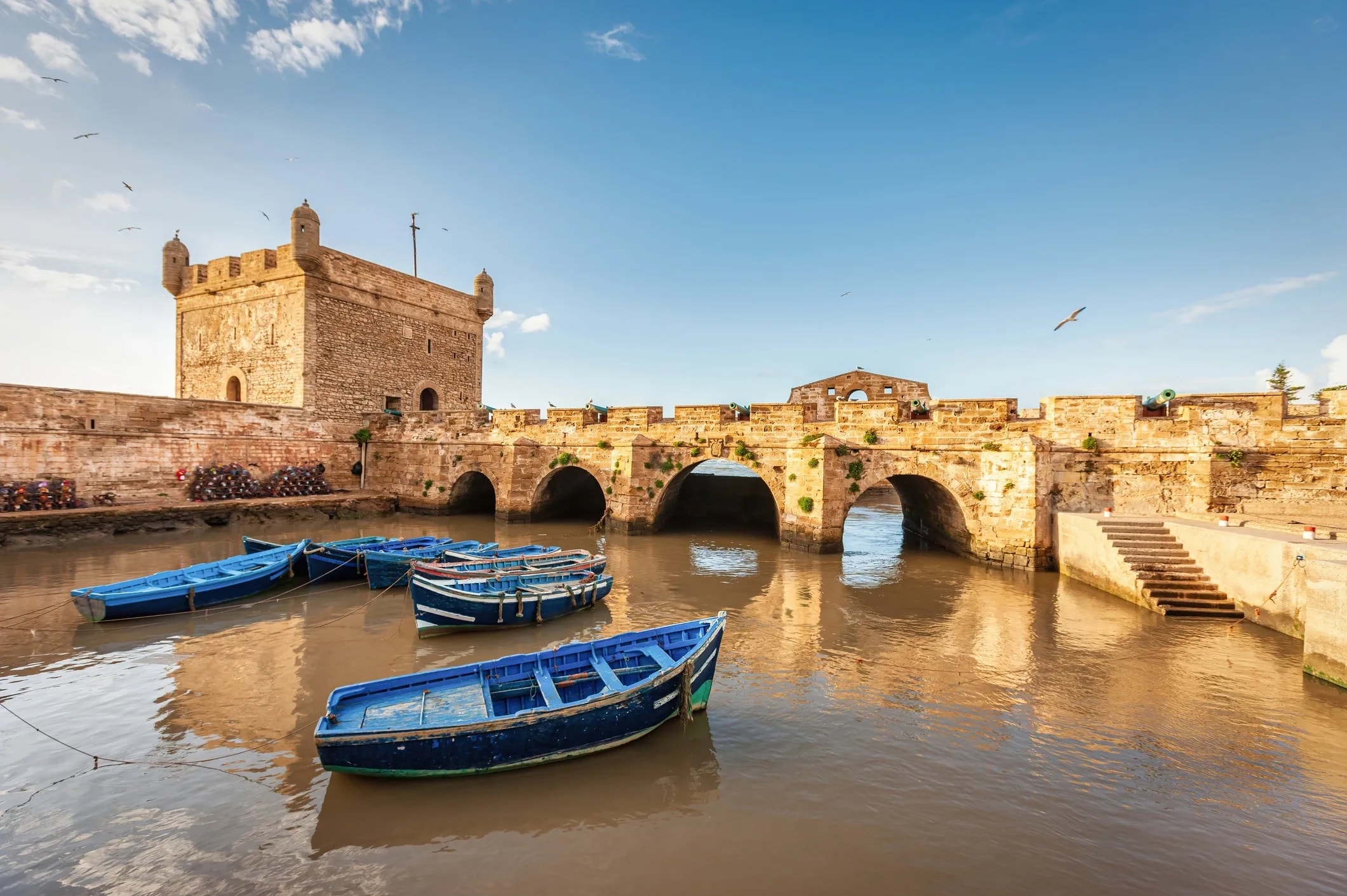
Essaouira
The Atlantic coast escape. Windy, relaxed, and completely different from the inland cities. The medina is smaller and walkable, the seafood is the freshest in Morocco, and the beach is wide and windy — perfect for kitesurfing, less perfect for sunbathing. Game of Thrones filmed here. Jimi Hendrix supposedly visited. The real appeal is slower: long lunches, walks on the ramparts, watching fishermen bring in the catch at dawn. I send clients here when they need a break from the intensity.
Planning your trip
Frequently Asked Questions

Let's make it happen
Ready to plan your Morocco trip?
Tell us how you want to travel and we'll build the itinerary around you.
Plan My Morocco Trip