
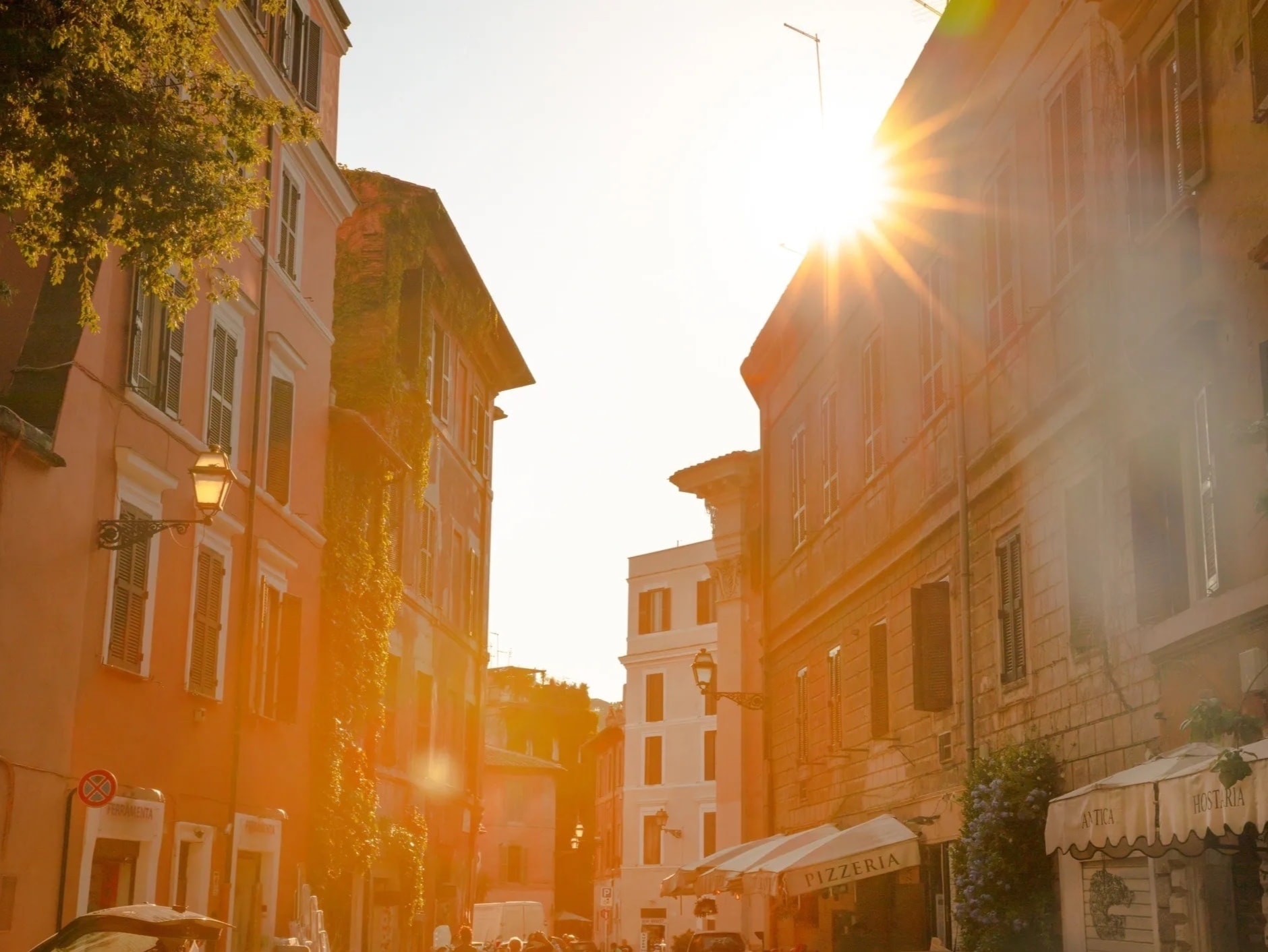
The Colosseum is a given. The real magic is Testaccio at dusk, aperitivo in Trastevere, and realizing you've walked 20,000 steps without noticing. Give Rome four full days minimum — one for ancient Rome, one for Vatican City, and two for just wandering. The best meals happen in neighborhoods no guidebook prioritizes: carbonara at Roscioli, pizza al taglio at Pizzarium, gelato at Fatamorgana where the flavors change weekly. Rome rewards the people who slow down, not the ones who sprint from monument to monument.

The David is worth the line. But the Oltrarno neighborhood, Santo Spirito square at sunset, and a random trattoria with no English menu? That's the Florence you came for. Cross the river for artisan workshops and wine bars where Florentines actually hang out. And yes, climb to San Miniato al Monte for sunset — it's ten minutes higher than Piazzale Michelangelo and half the people know about it.

Skip the day-trippers. Stay overnight. Get lost past midnight. Find a cicchetti bar where the bartender remembers your order. The trick to Venice is sleeping in it — Dorsoduro or Cannaregio, not San Marco. Wake up early, walk before 9 AM when the cruise crowds land. Take the vaporetto to Burano for colors and Torcello for emptiness. The €40 weekly pass pays for itself in two days. Venice is either magical or miserable — the difference is where you sleep and when you wake up.

Positano is beautiful and expensive. Ravello is quieter and just as stunning. The ferry between them is the best €15 you'll spend. Don't try to drive the coast road yourself — the SITA bus is chaotic but the views are the same. Base yourself in Minori or Maiori for half the price and better food. Capri is a day trip that divides people: the Blue Grotto is overrated, but the chairlift to Mount Solaro at sunset is not. The real Amalfi secret? September, when the crowds leave and the water is still warm.

Rent a car. Drive the Val d'Orcia. Stop at Pienza for pecorino. This is where Italy slows down. Siena is worth a night — the Duomo floors are only exposed part of the year and the evening passeggiata is pure Italian theater. Montepulciano and Montalcino are wine towns with actual locals still living in them. Skip the big commercial wineries and find the family-run spots where someone pours you a glass and tells you about their grandfather's vines.
"Not a tourist demo. A real kitchen, a real grandmother, and pasta you'll actually recreate at home. She didn't speak English. We didn't need her to."
"The Sistine Chapel with 12 people instead of 500. Worth every euro. The guide knew exactly where to stand so Michelangelo's Creation of Adam hit different."
"I know a guy. His vineyard isn't on TripAdvisor. That's the point. We tasted 2015 Brunello and watched the sun drop behind cypress trees. No bus, no group, no schedule."
Please reach us at info@whycationtravel.com if you cannot find an answer to your question.
10 days minimum for Rome-Florence-Venice. 14 if you want to add Tuscany or the coast. Less than 10 and you're on a train every other day.
Rome-Florence-Venice is simple. But Venice to the Amalfi Coast? Florence to Cinque Terre? That's where it gets complicated. I handle the routing so you don't miss connections.
April-May and September-October. June-August is hot, crowded, and expensive. November-March is underrated but some restaurants close.
For the Uffizi, Accademia, and Vatican — yes, weeks ahead. For restaurants — depends. I book what matters and skip what doesn't.
That's literally what I do. Independent travel with expert planning. You explore, I handle the logistics.
We use cookies to analyze website traffic and optimize your website experience. By accepting our use of cookies, your data will be aggregated with all other user data.