
Destination guide
Costa Rica
Where the rainforest meets the beach and "pura vida" actually means something
Plan My Costa Rica TripLa Fortuna
& Arenal
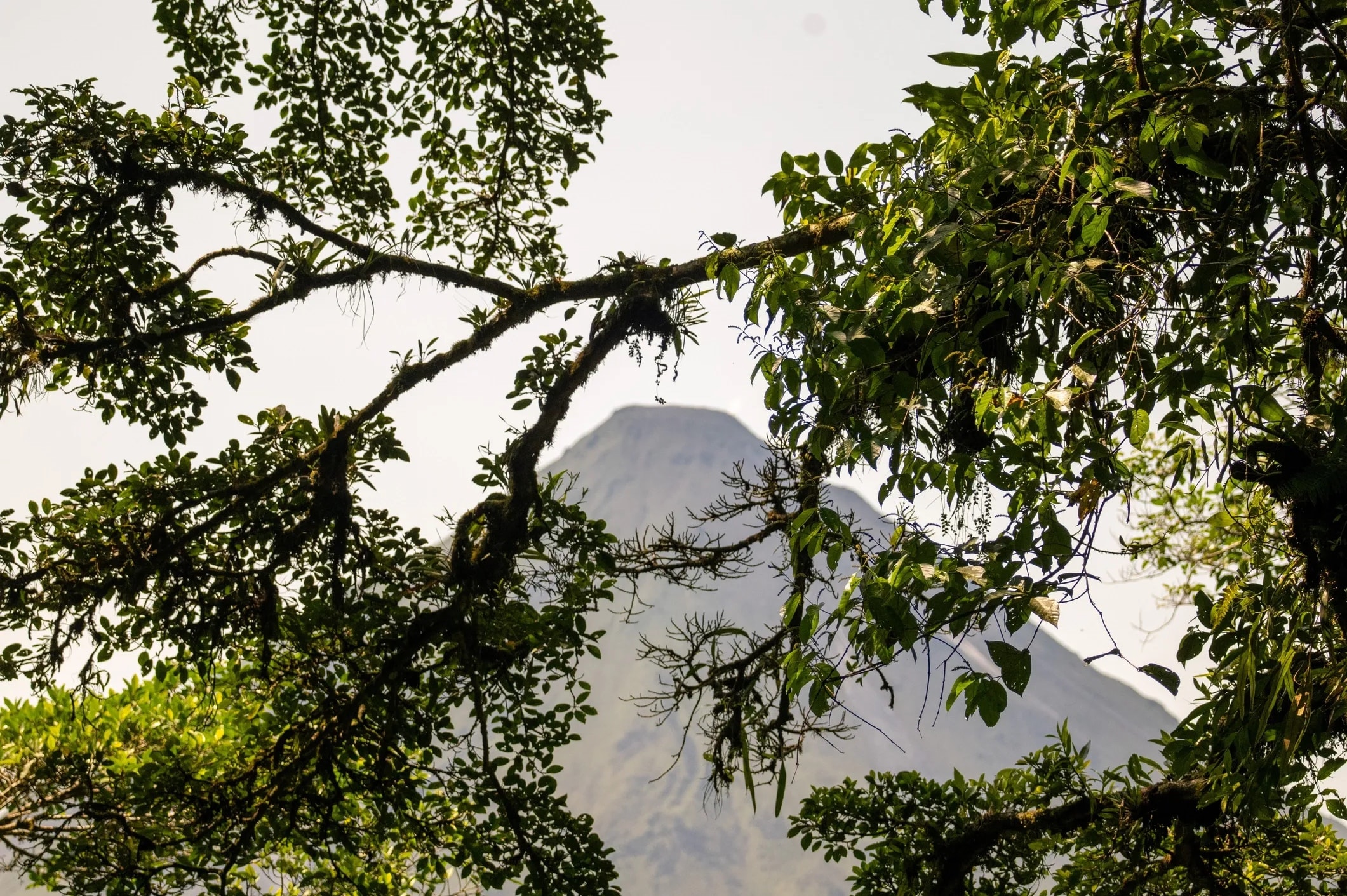
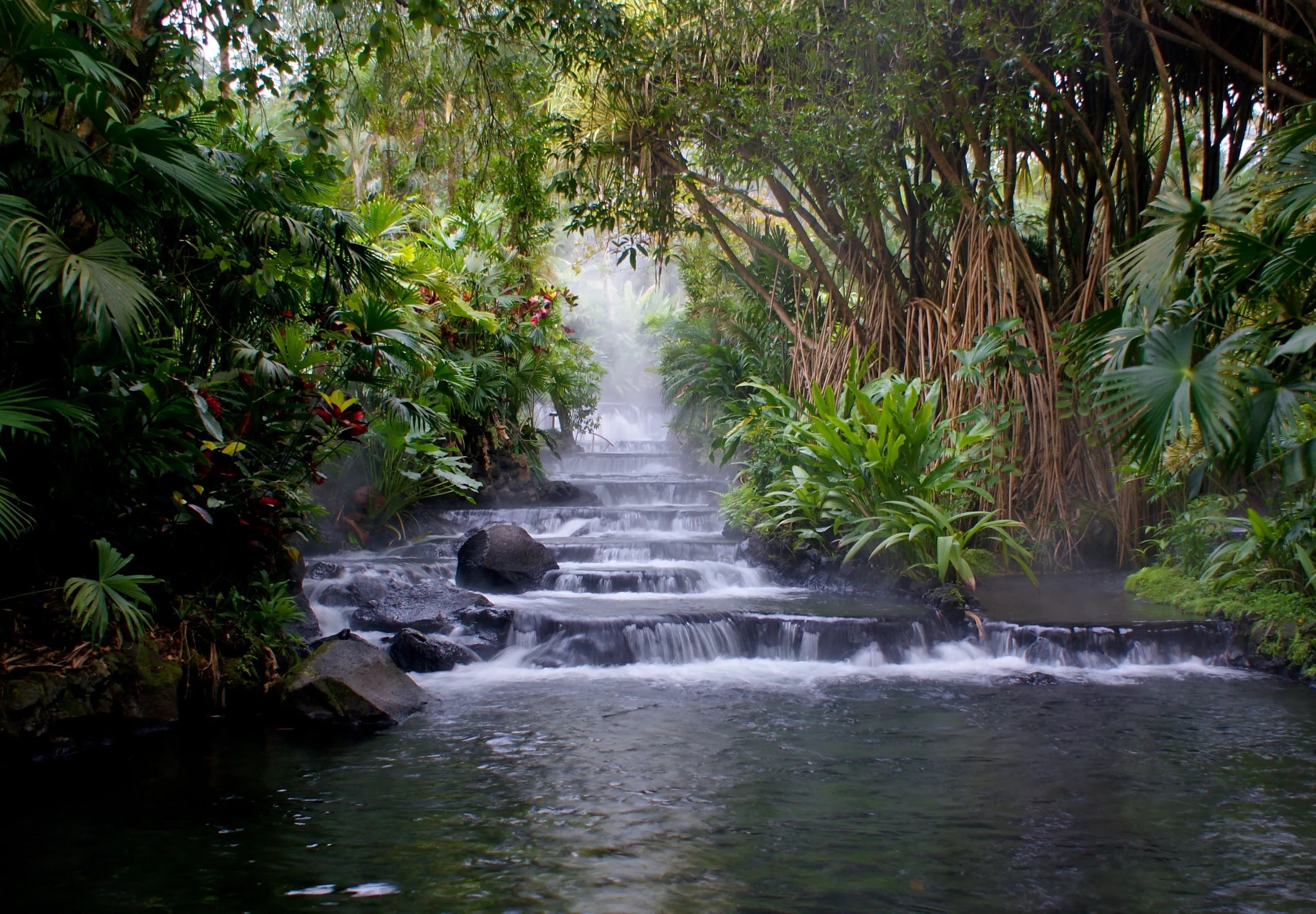
The volcano that dominates every view. Hike the lava fields at dawn when the clouds haven't rolled in yet. Soak in the Tabacón hot springs — natural, riverside, surrounded by jungle. The La Fortuna waterfall is a 500-step descent to a swimmable pool that feels like a secret. Zip-lining here is the real deal — canopy-level, fast, with views of the volcano and Lake Arenal. Give La Fortuna three days. It's the adventure hub, but the town itself is low-key and friendly.
Monteverde
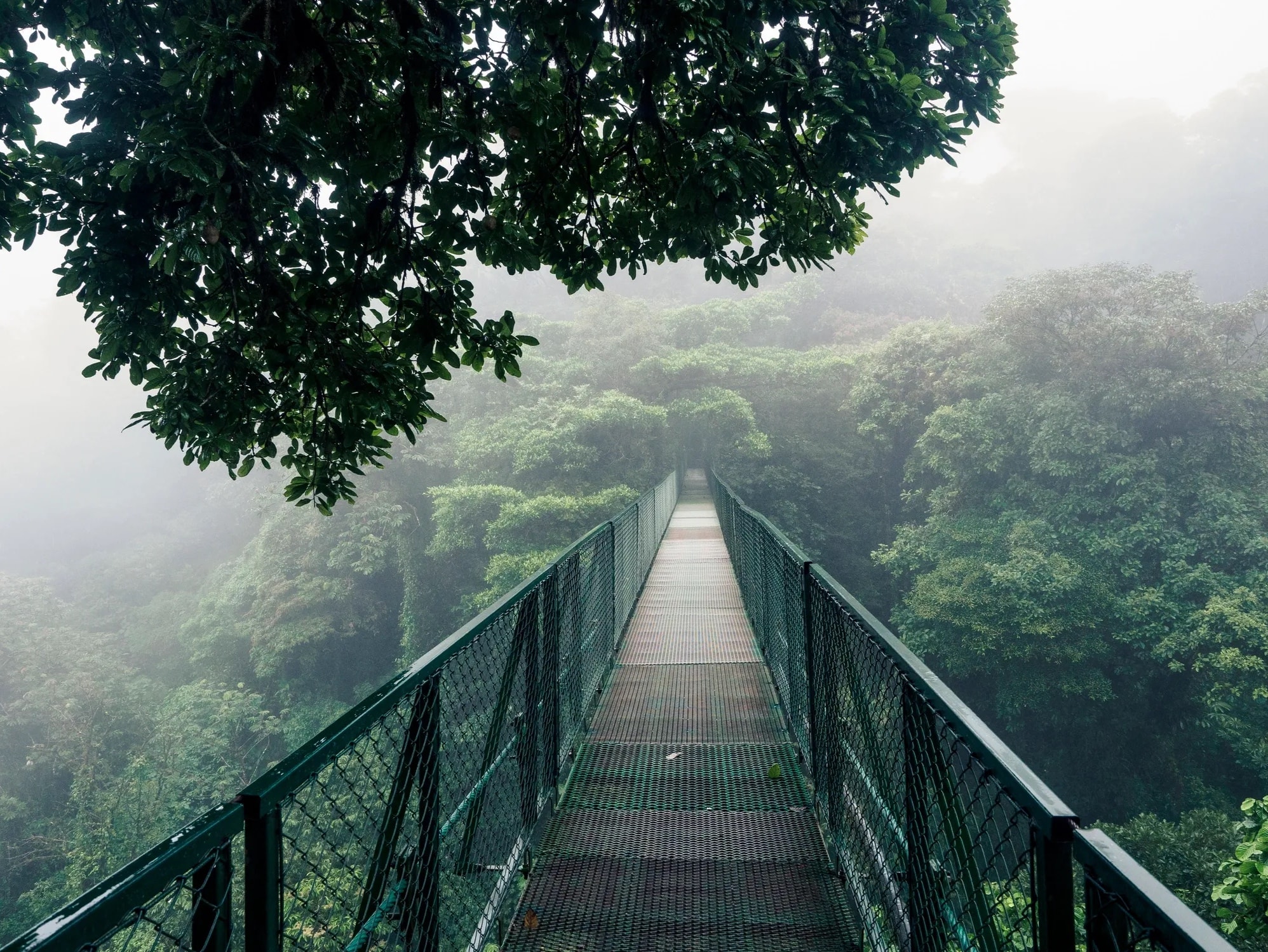
Cloud forest, not rainforest — misty, cool, and completely otherworldly. Walk the hanging bridges at canopy level, spot quetzals and monkeys, and understand why this place helped invent ecotourism. The Santa Elena reserve is less crowded than the main Monteverde reserve and just as good. Night tours are worth it — frogs, insects, snakes, and a guide who sees things you'd never notice. Monteverde is wet, muddy, and unforgettable. Pack layers — it's chilly up here.
Manuel
Antonio
The national park where the beach meets the jungle. White-faced capuchin monkeys will try to steal your lunch. Sloths sleep in the trees above the trail. The beaches inside the park are calmer and cleaner than the ones outside — hike in early, claim a spot, swim, watch the wildlife. Manuel Antonio is the easiest introduction to Costa Rica's nature. It's also the most developed — stay in a hotel with a view, eat at a cliffside restaurant, and ease into the pace.
The Nicoya
Peninsula
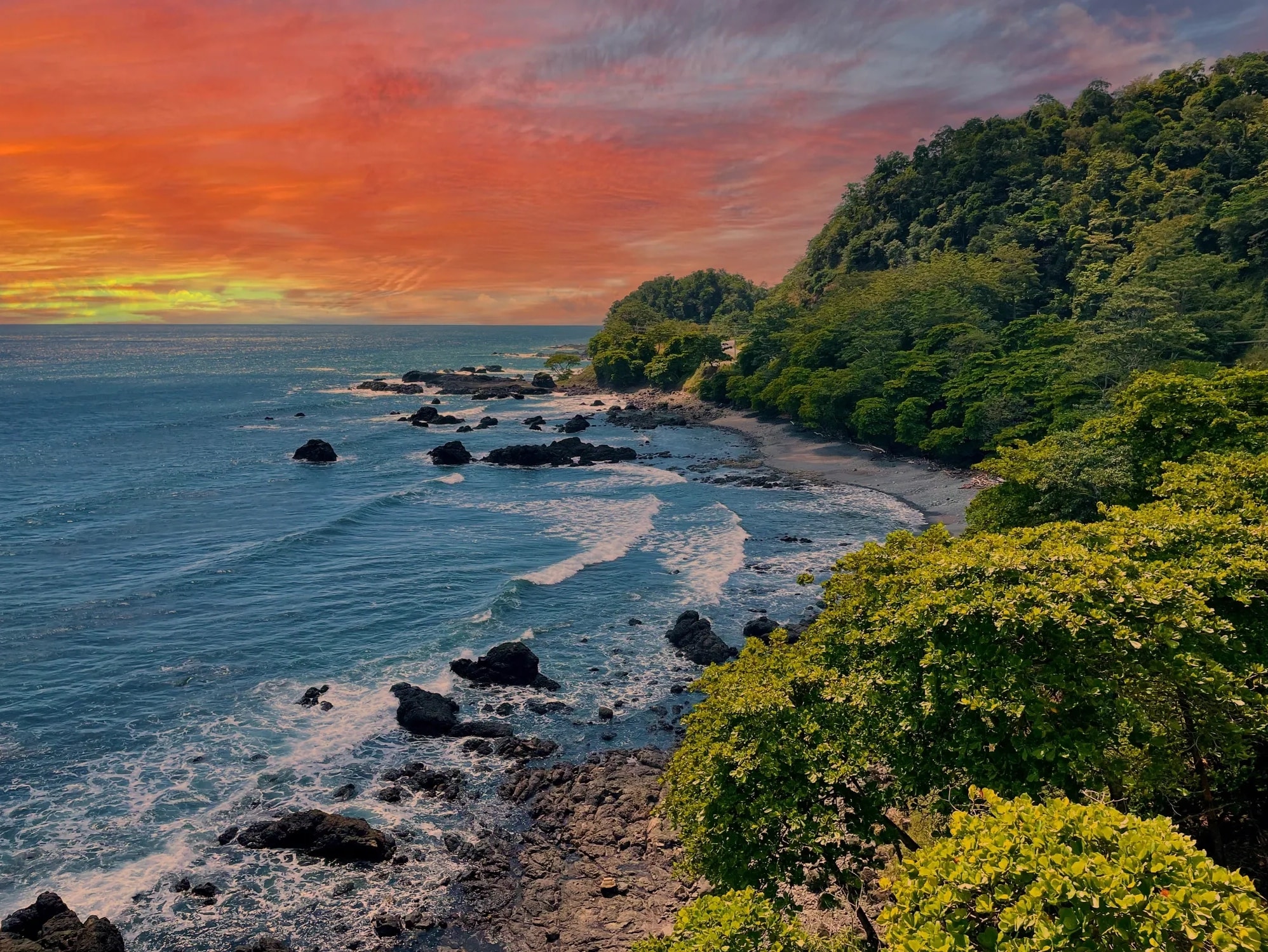
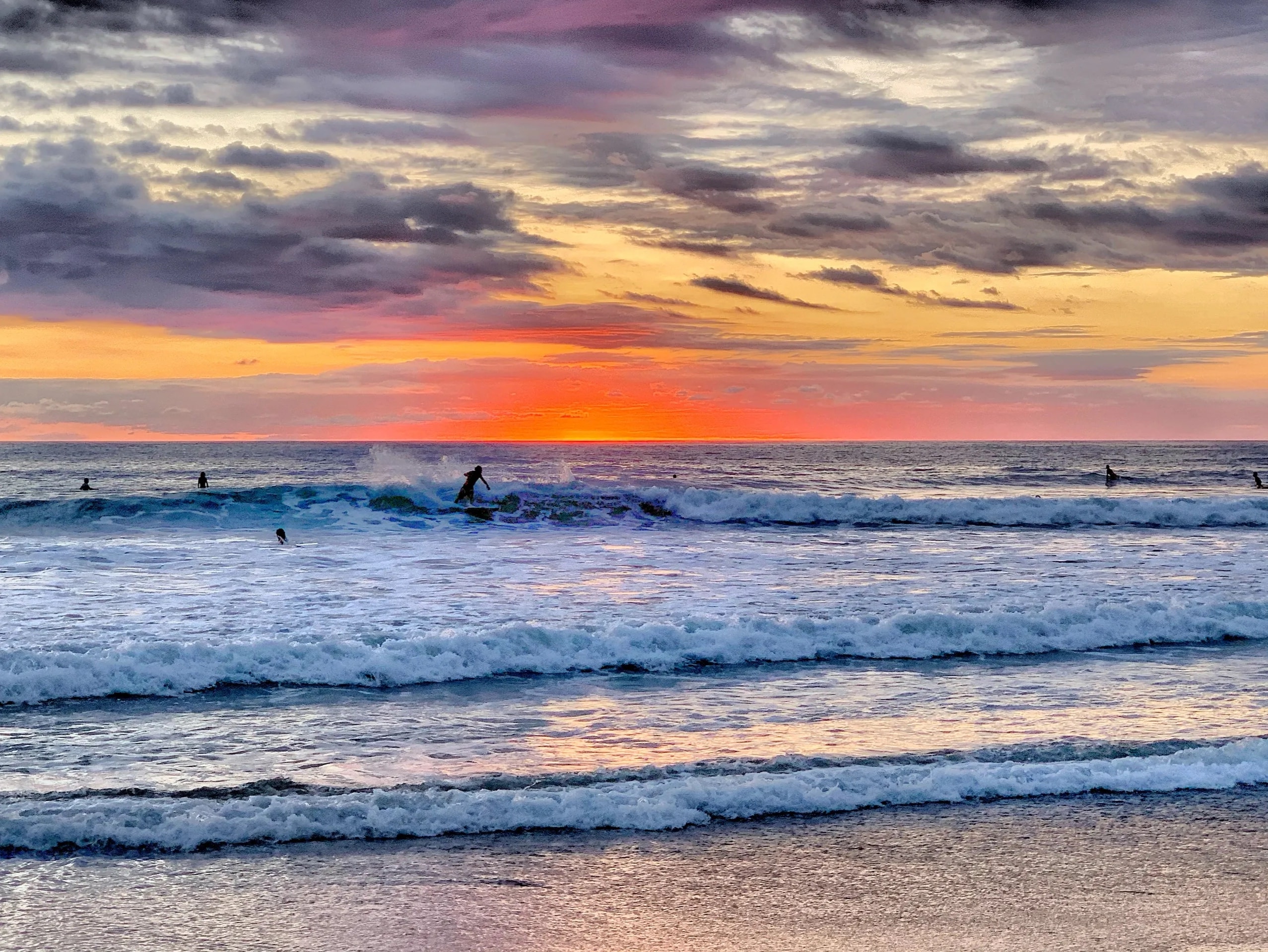
Santa Teresa for the surf and the barefoot nightlife. Nosara for yoga, wellness, and a beach that feels like California 30 years ago. Samara for families and calm water. The Nicoya is where you go when you've done the volcano and the cloud forest and just want to stop moving. The roads are rough — I book the right transport so you're not navigating potholes in a rental car. The reward is empty beaches, fresh ceviche, and sunsets that don't need a filter.
Tortuguero
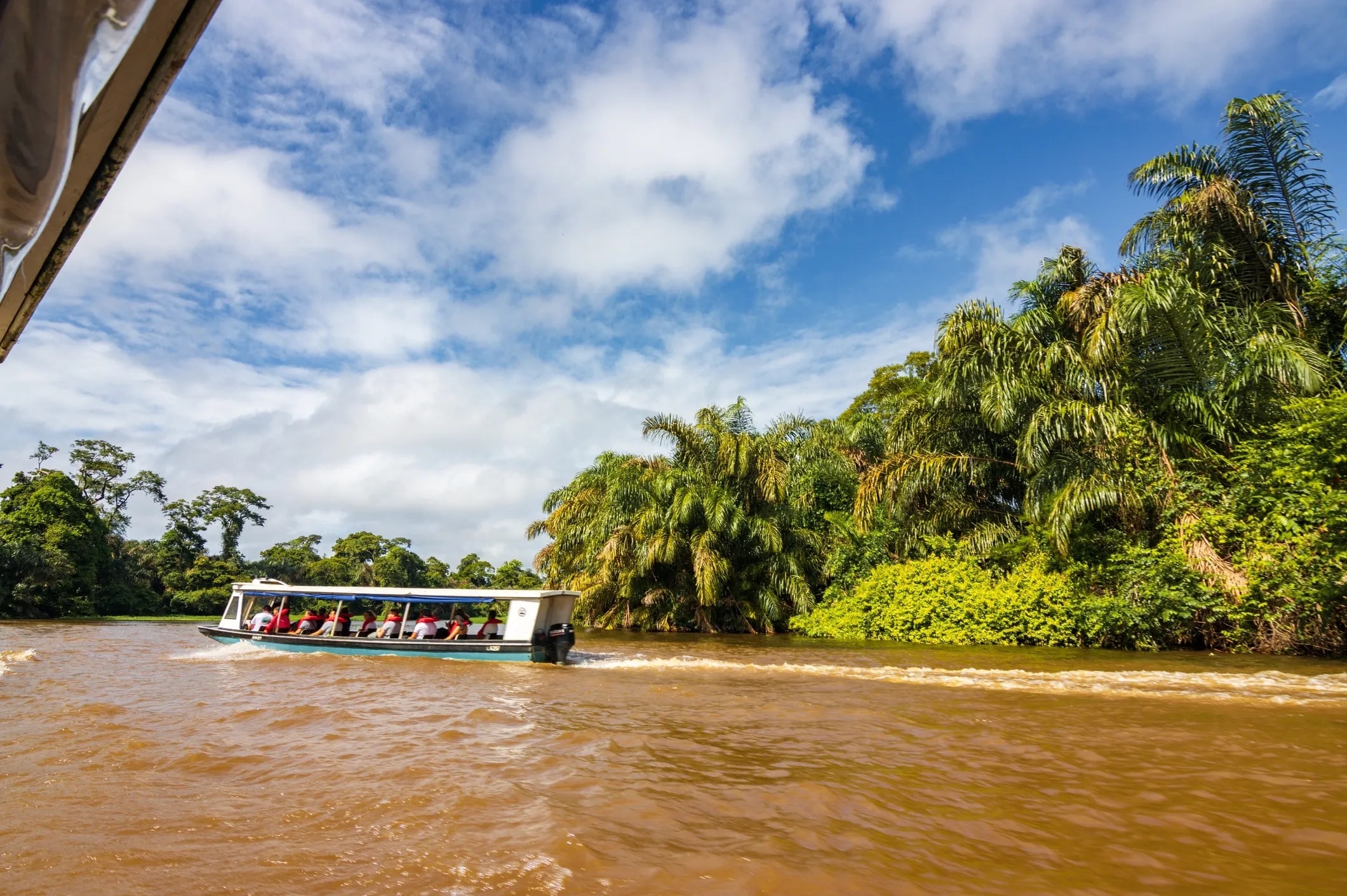
The Amazon of Costa Rica. No roads — you arrive by boat through canals lined with jungle. Monkeys, caimans, toucans, and if you're lucky, a manatee. The main event is sea turtle nesting season — July to October, when green turtles come ashore at night to lay eggs. It's remote, humid, and completely different from the rest of the country. I usually put this at the start or end of a trip, a two-night immersion before the beach or after the adventure.
Planning your trip
Frequently Asked Questions

Let's make it happen
Ready to plan your Costa Rica trip?
Tell us how you want to travel and we'll build the itinerary around you.
Plan My Costa Rica Trip