
Destination guide
Brazil
Where the rhythm finds you, the food surprises you, and the scale of it all humbles you
Plan My Brazil TripRio de
Janeiro
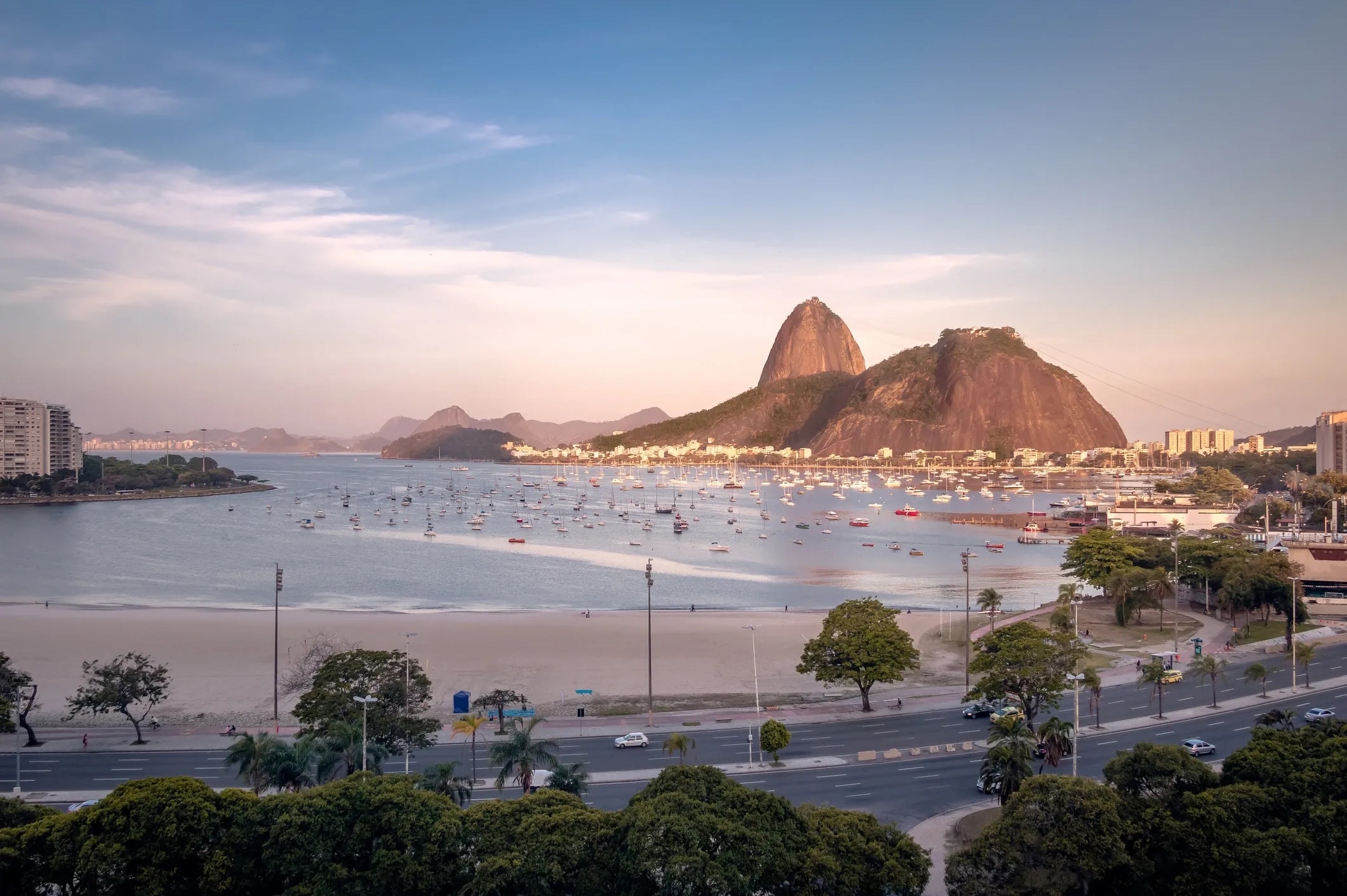
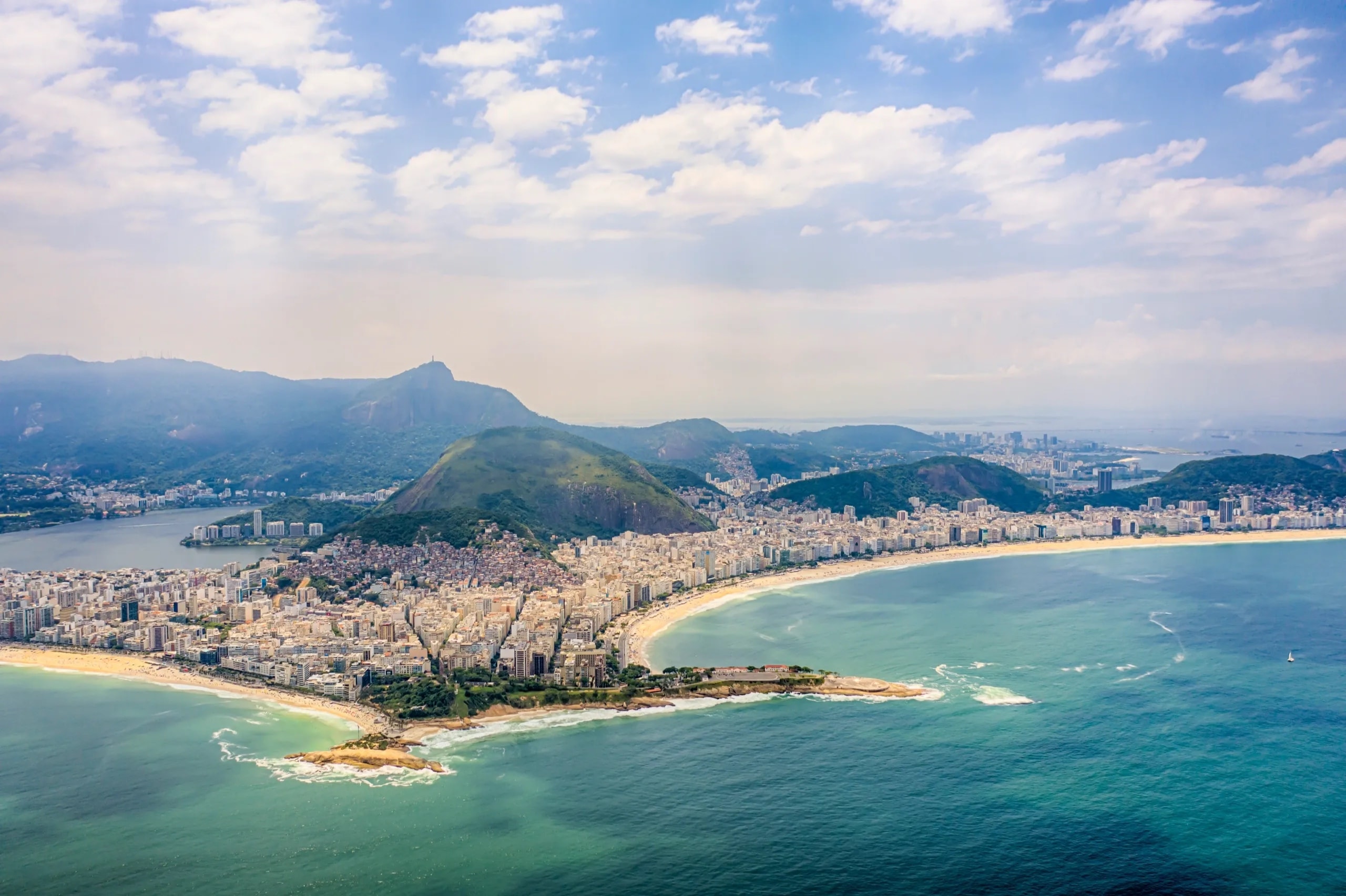
Christ the Redeemer is the postcard. The real Rio is sunrise on Copacabana before the crowds, feijoada on a Saturday afternoon, and samba in Lapa after midnight. Give Rio four days — one for the icons, three for the neighbourhoods. Santa Teresa for the art and the bonde tram. Leblon for the beach culture locals actually live. Vidigal for the favela viewpoint and the best sunset caipirinha in the city. The safety question everyone asks? I was there. It's about knowing where to go, when, and how to move. I tell my clients exactly that.
São
Paulo
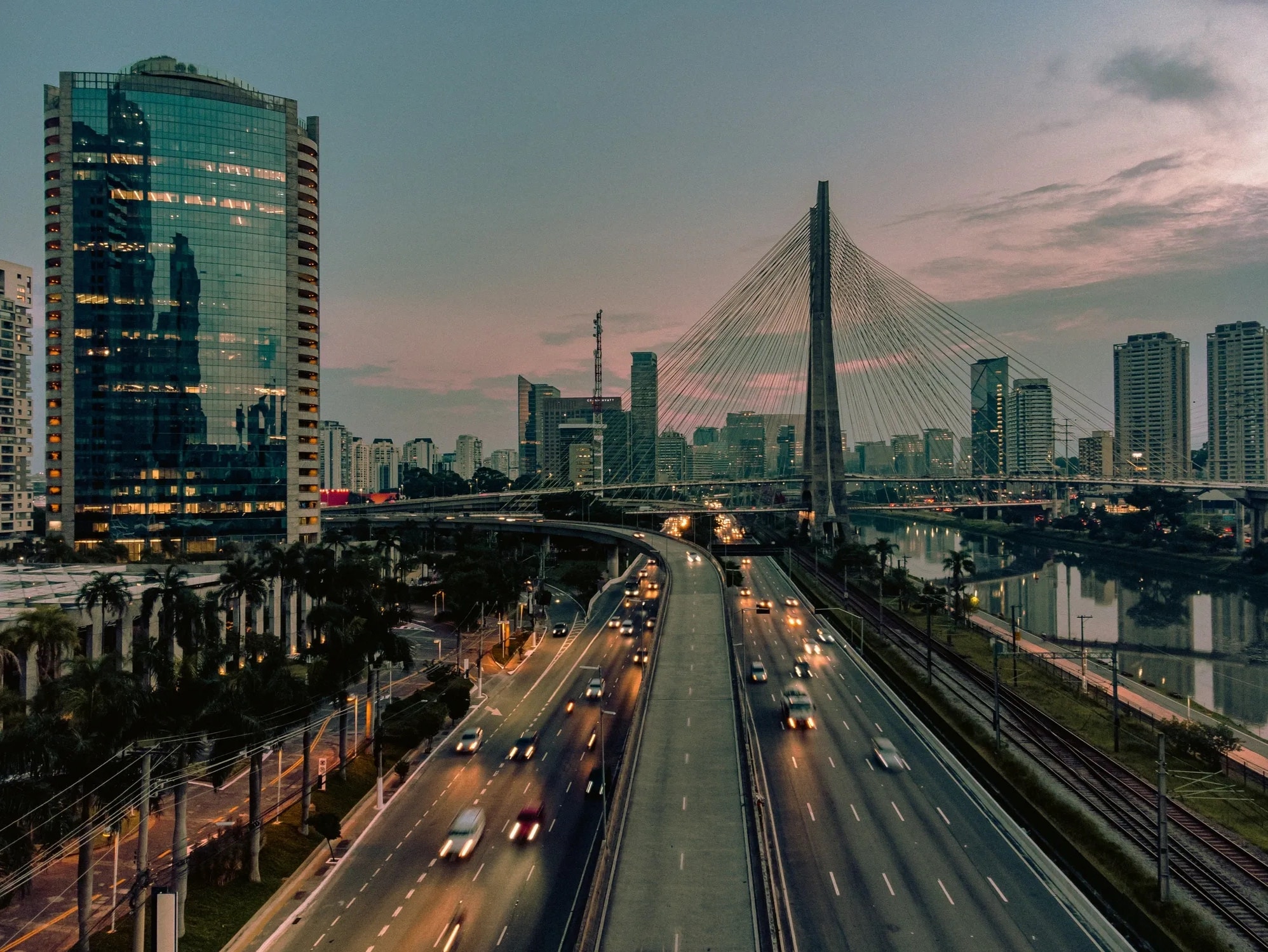
Everyone skips it for Rio. They're wrong. São Paulo has the best food scene in the Southern Hemisphere — Japanese in Liberdade, Italian in Bixiga, modern Brazilian in Jardins. The city is massive, layered, and alive. Walk Avenida Paulista on a Sunday when it's closed to cars. Explore Vila Madalena for street art and bars that don't open until 10 PM. Go to the Mercado Municipal for mortadella sandwiches and fresh fruit you've never heard of. São Paulo isn't pretty in the postcard sense. It's compelling in the way that matters.
Salvador
de Bahia
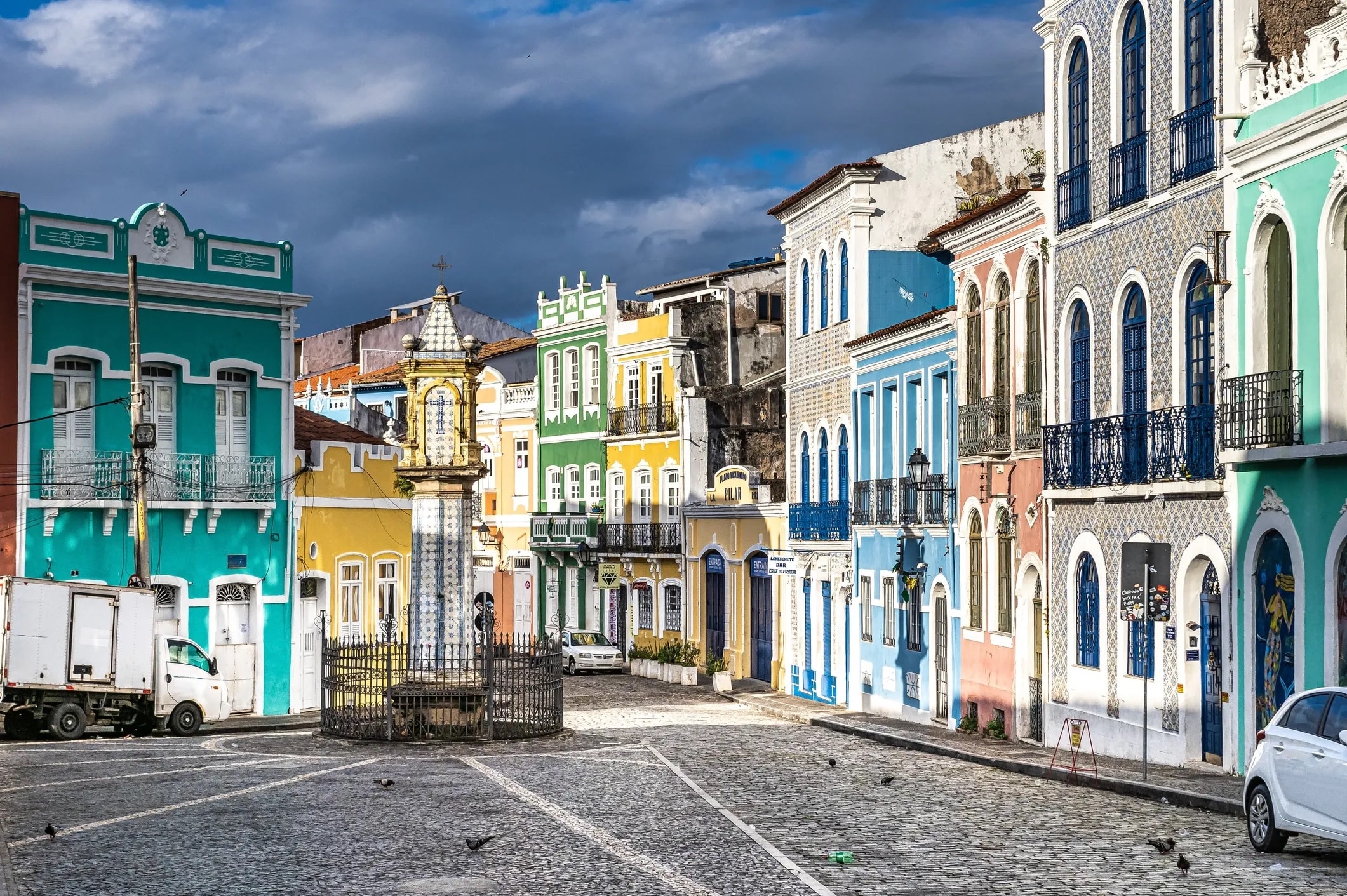
This is where Brazil's African roots show — in the food, the music, the religion, the colour of everything. Pelourinho is the historic centre, all cobblestones and colonial churches, but the real energy is in the neighbourhoods beyond. Acarajé from a street vendor, capoeira in the squares, Tuesday night samba that starts late and ends later. The beaches nearby — Praia do Forte, Morro de São Paulo — are calmer than Rio and warmer than the south. Salvador is Brazil at its most alive and least understood by outsiders.
The
Amazon
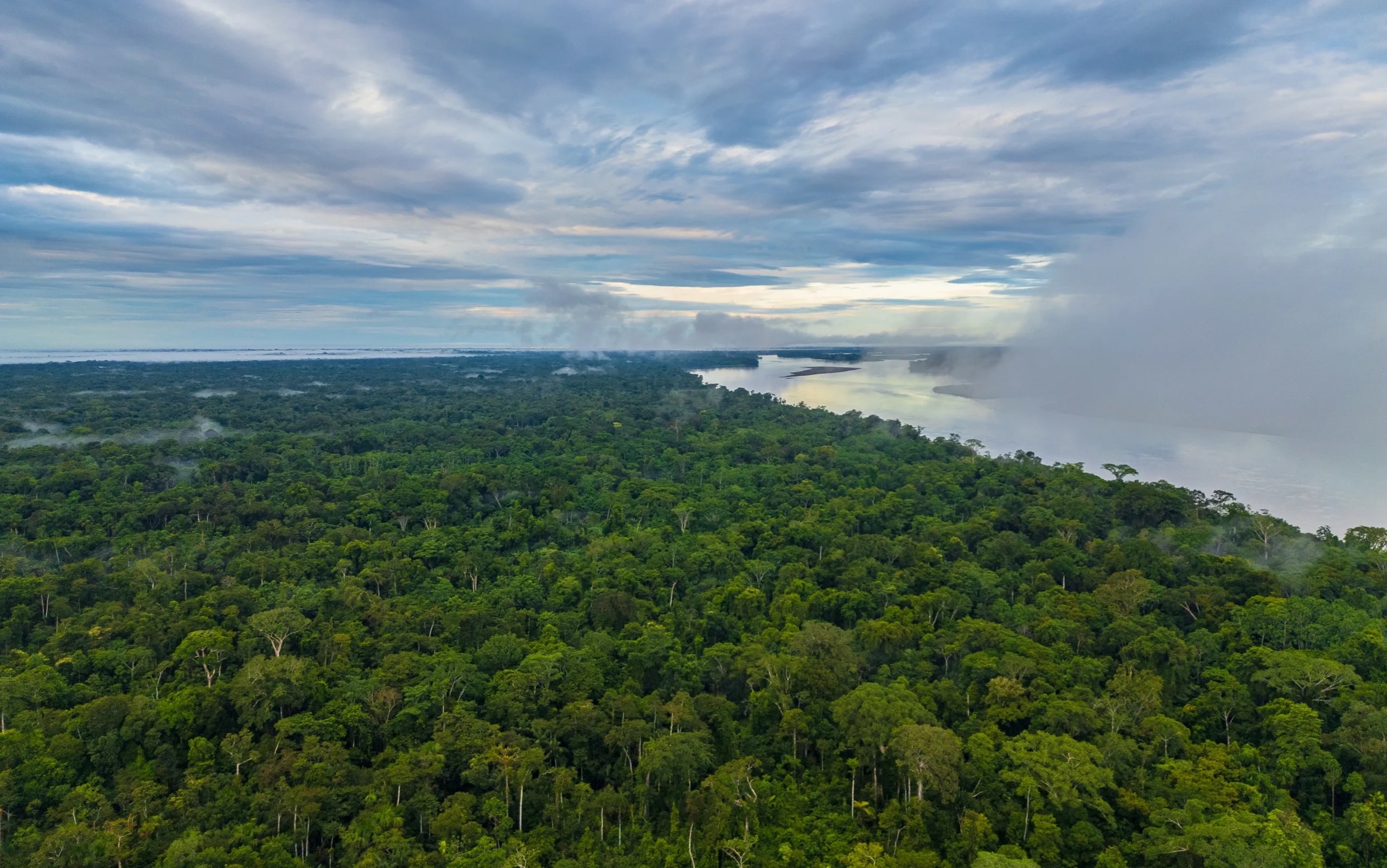
Not a day trip. Not a checklist item. The Amazon is two or three nights in a lodge where the generator turns off at 10 PM and the jungle sounds take over. Dawn boat rides to spot pink river dolphins. Night walks where your guide finds frogs and tarantulas you'd never see alone. The reality is less 'National Geographic' and more 'profoundly quiet' — which is the point. I book lodges that actually support local communities, not the mass-tourism ones. The difference is everything.
Florianópolis & the South
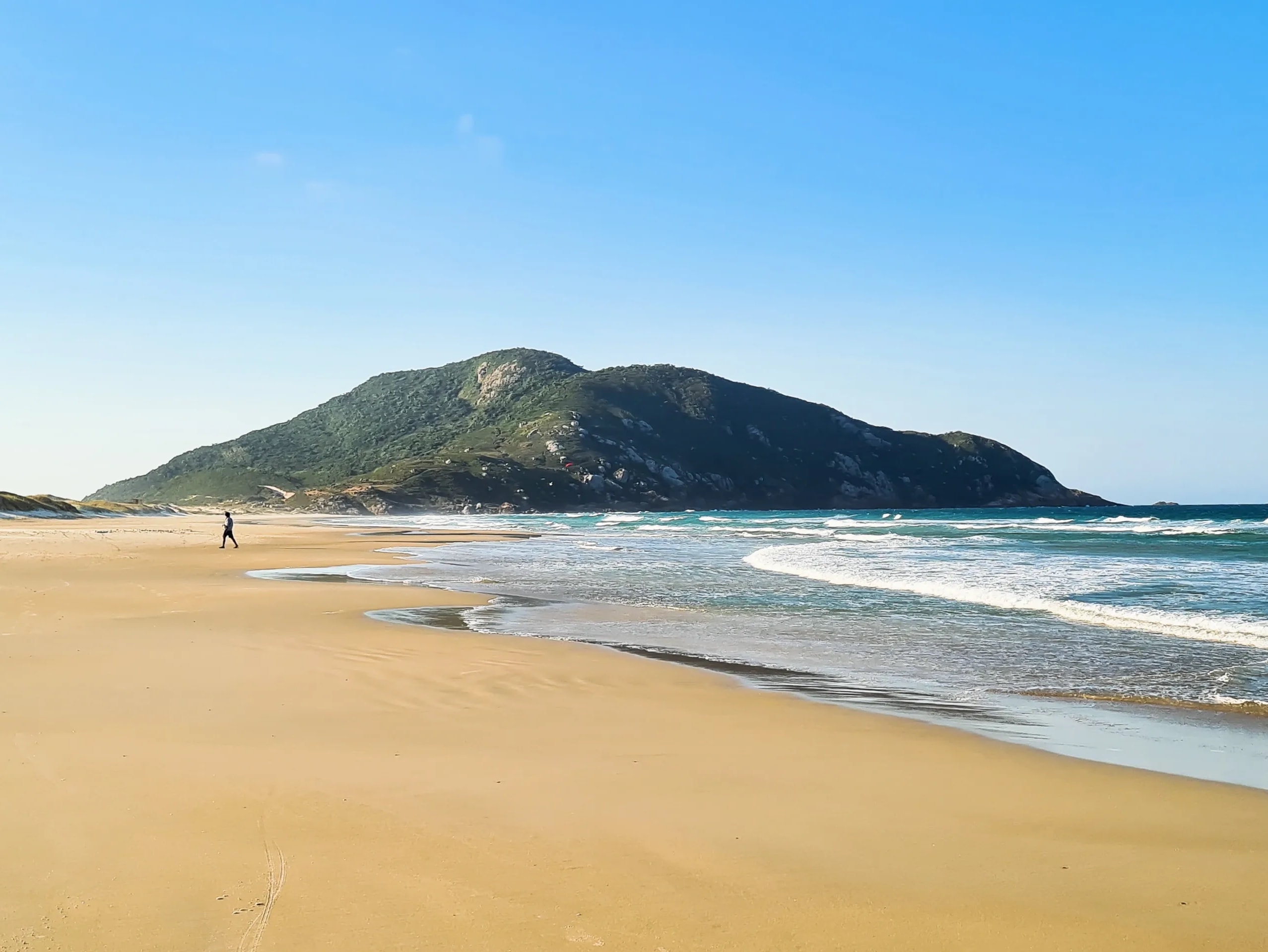
Brazilians' best-kept secret. Forty-two beaches on one island, surf culture, seafood stews, and a pace that feels more Mediterranean than South American. The south is cooler, greener, and less chaotic than the north. Lagoa da Conceição for the lagoon life. Joaquina for the dunes and the surf. The interior for wine country that no one outside Brazil knows exists. If you want Brazil without the intensity of Rio, this is where you land.
Planning your trip
Frequently Asked Questions
Let's make it happen
Ready to plan your Brazil trip?
Tell us how you want to travel and we'll build the itinerary around you.
Plan My Brazil Trip